
Micro, small, and medium enterprises (MSME) are major contributors to Indonesia’s economy, responsible for approximately 60 per cent of the country’s GDP and employing 95 per cent of the workforce, according to the Ministry of Cooperatives and MSMEs. Despite their strong contributions, MSMEs, particularly those owned by women, face a number of challenges, including limited access to finance, digitalization, formalization, and supply chain integration. These barriers significantly hinder women entrepreneurs’ ability to grow and sustain their businesses over time.
The solution is not simple. While women business owners can seek tools to increase their knowledge, gain new business skills, and develop strategies for business growth, structural barriers that hinder their chance of success remain.
Aiming to address these system-level challenges, APF Canada partnered with the Institute for Economic and Social Research, Faculty of Economics and Business at the University of Indonesia (LPEM FEB UI) to deliver a series of workshops for policy actors in Indonesia in September and October 2025. The series consisted of three full-day workshops in which representatives from MSMEs, government, MSME support organizations, and academia came together to take part in interactive sessions about the most pressing issues facing Indonesian MSMEs. The workshops provided insights into barriers and policy solutions to common MSME issues.
Combined with two policy briefs, developed by LPEM FEB UI and the Association of Women in Small Micro Business Assistance (ASPPUK), the policy leadership workshop series is a key component of the APEC-Canada Growing Business Partnership (ACGBP), an international development project funded by the Government of Canada and implemented by APF Canada. Our policy leadership activities will contribute to enhancing Indonesian policy actors’ capacity to integrate gender-responsive MSME policies that promote inclusive and sustainable growth.
Strengthening supply chains for competitive MSMEs
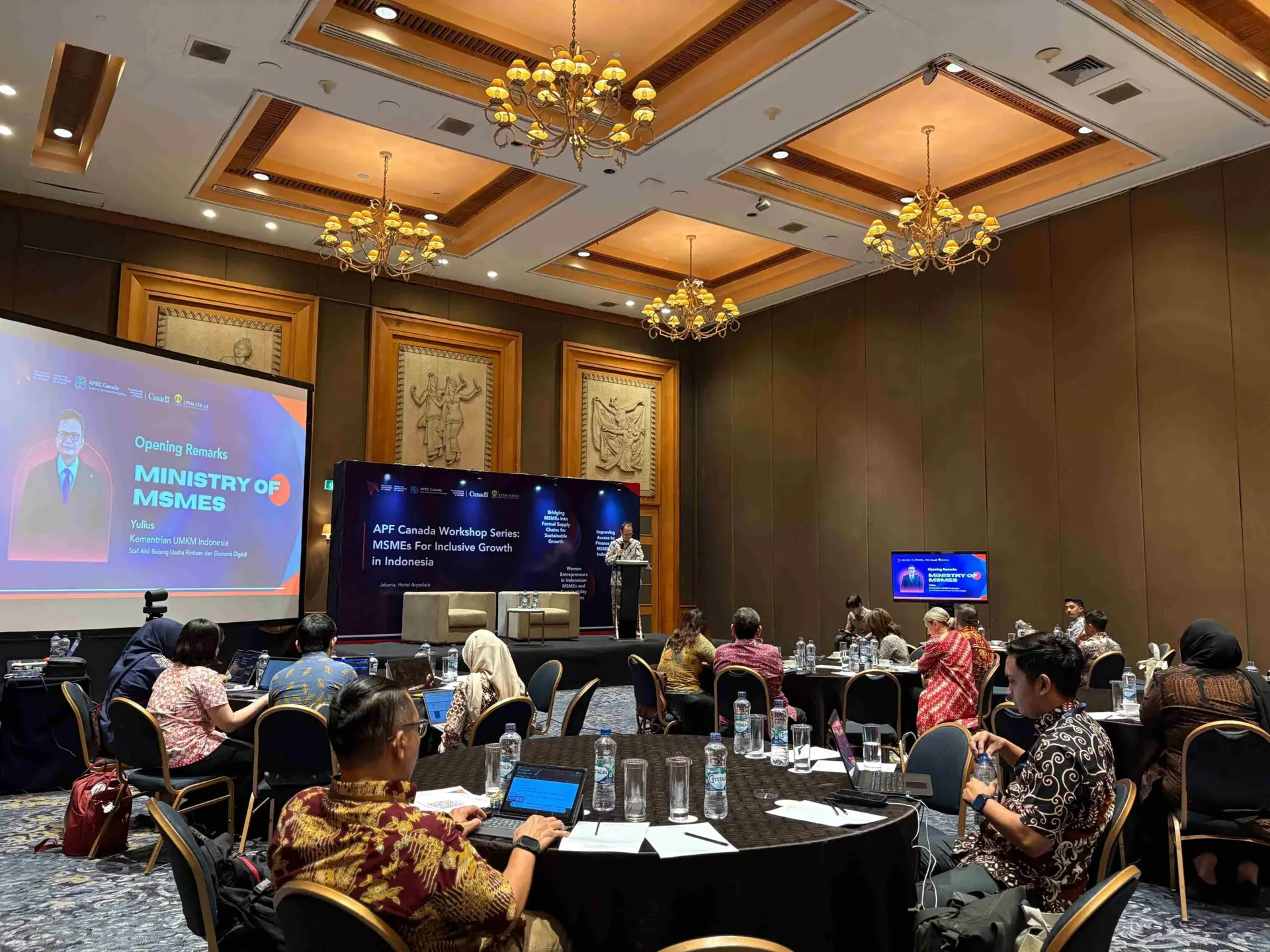
LPEM FEB UI kicked off the workshop series on September 17, 2025, with a full-day workshop consisting of three sessions. The workshop covered key issues for MSME integration into supply chains, including digitalization, e-commerce, formalization, regulatory compliance, tax simplification, standards, and access to domestic and international markets. With global supply chains under strain, the session provided an important platform for MSME stakeholders to highlight strategies and best practices for both private and public sectors to promote Indonesian MSME competitiveness in global markets.
The challenges of supply chain integration are well recognized by Indonesian and Canadian stakeholders. APF Canada and LPEM FEB UI were honoured to receive welcome remarks from Sue Wiebe, First Secretary of Development at the Embassy of Canada to Indonesia and Timor Leste, who highlighted similarities between Canadian and Indonesian MSMEs, including shared challenges relating to connectivity, standards, and infrastructure. Moreover, Yulius, Expert Staff for Startups and the Digital Economy at Ministry of Cooperatives and MSMEs of Indonesia, addressed the urgent need for supply chain integration to boost MSME competitiveness and called for collaboration between private and public sectors.
Workshop speakers provided insights into support programs for women entrepreneurs and entrepreneurs with disabilities, government programs to strengthen MSME capacity and networks, strategies for supply chain integration, market intelligence, and business matchmaking.
The Policy Leadership Workshop Series is part of a broader effort by APF Canada to contribute to gender-responsive, inclusive and sustainable MSME development in the APEC region. By engaging policy actors in such important and timely discussions, APF Canada aims to strengthen the MSME policy landscape, with a focus particularly on supporting women-led MSMEs.
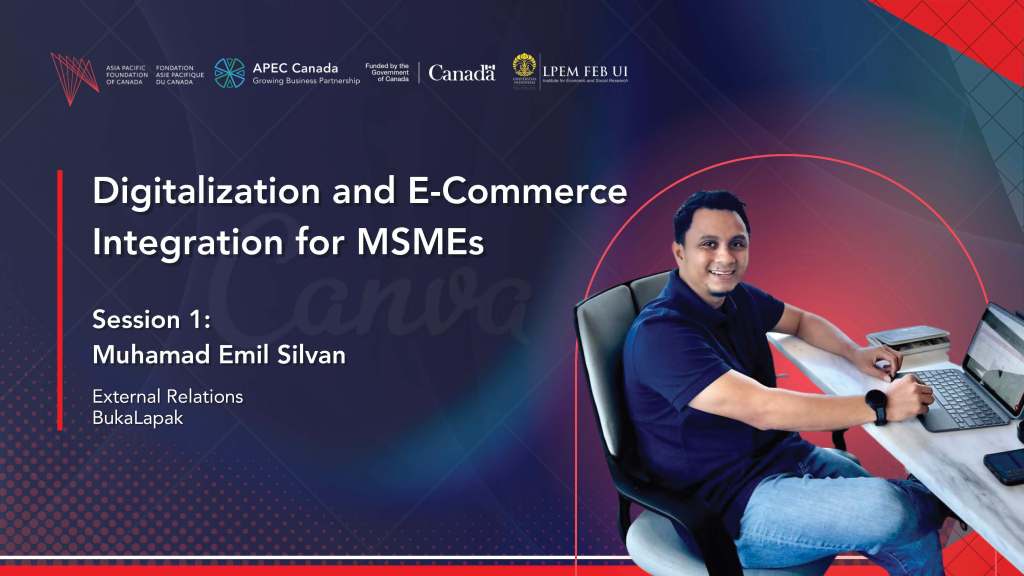
Muhamad Emil Silvan 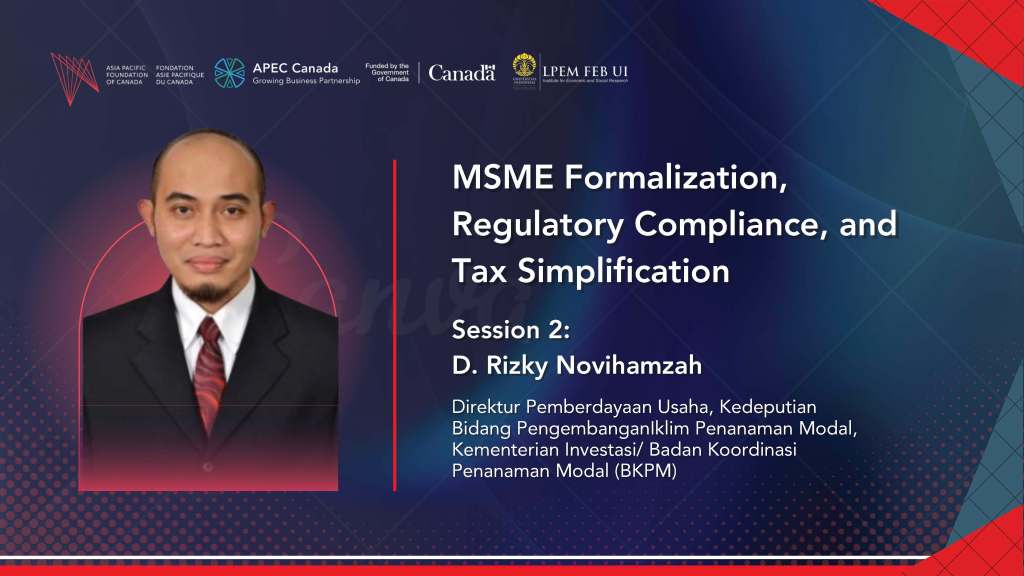
D. Rizky Novihamzah 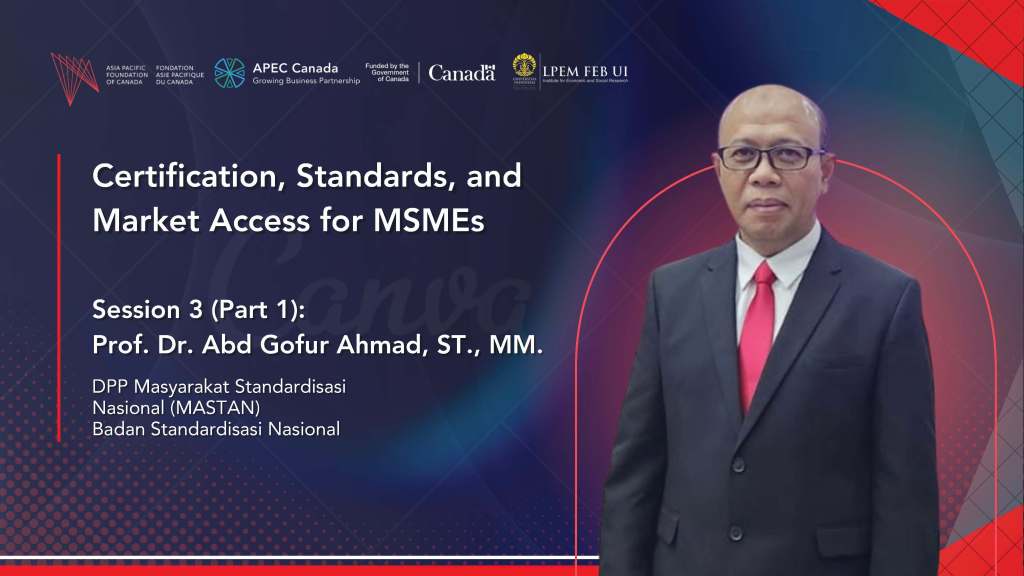
Prof. Dr. Abd Gofur Ahmad, ST., MM. 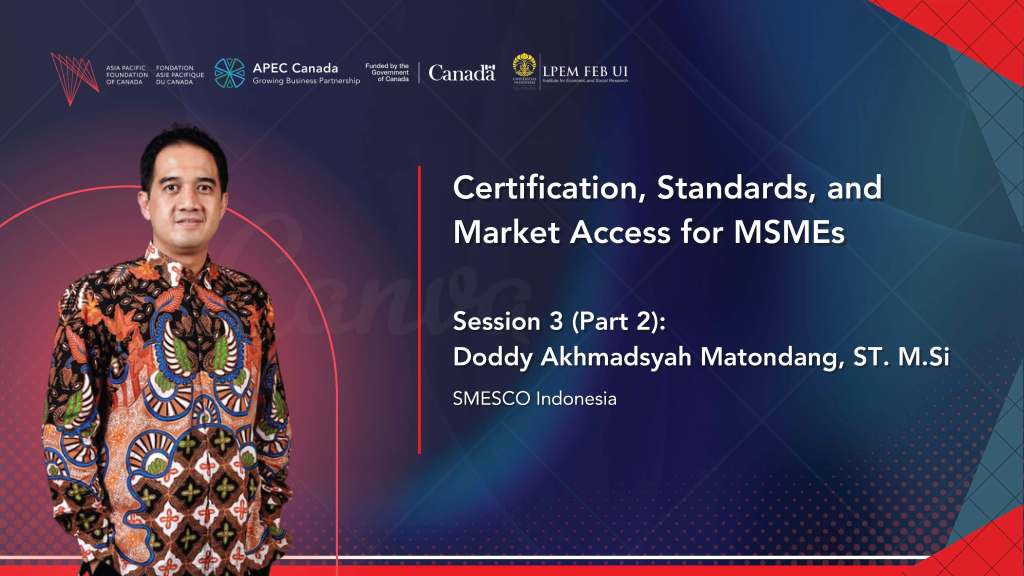
Doddy Akhmadsyah Matondang, ST. M.Si
Unlocking access to finance for MSMEs
Another key obstacle for MSMEs in Indonesia, particularly women-owned MSMEs, is obtaining funds to finance their businesses. Although there are options for credit, loans, and microfinance, these options are limited, and women MSME entrepreneurs often lack collateral, have low financial literacy, and face difficulties preparing and submitting successful proposals.
The second workshop in the series, held on October 8, addressed these challenges by focusing on two major themes. First, it provided strategies for MSMEs to identify financial needs, understand the legal and regulatory requirements of accessing credit, and prepare successful proposals. Second, it proposed ideas for the Indonesian government to develop programs encompassing several types of MSME financing, provide training to financial consultants to address bottlenecks, and create programs to enhance MSME capacity in financial management and scale-up strategies.
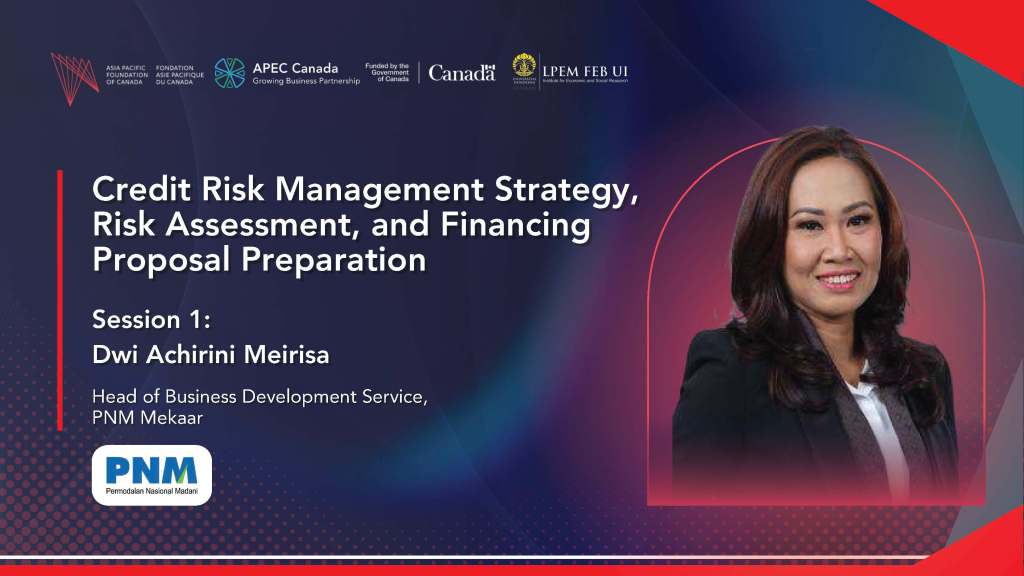
Dwi Achirini Meirisa 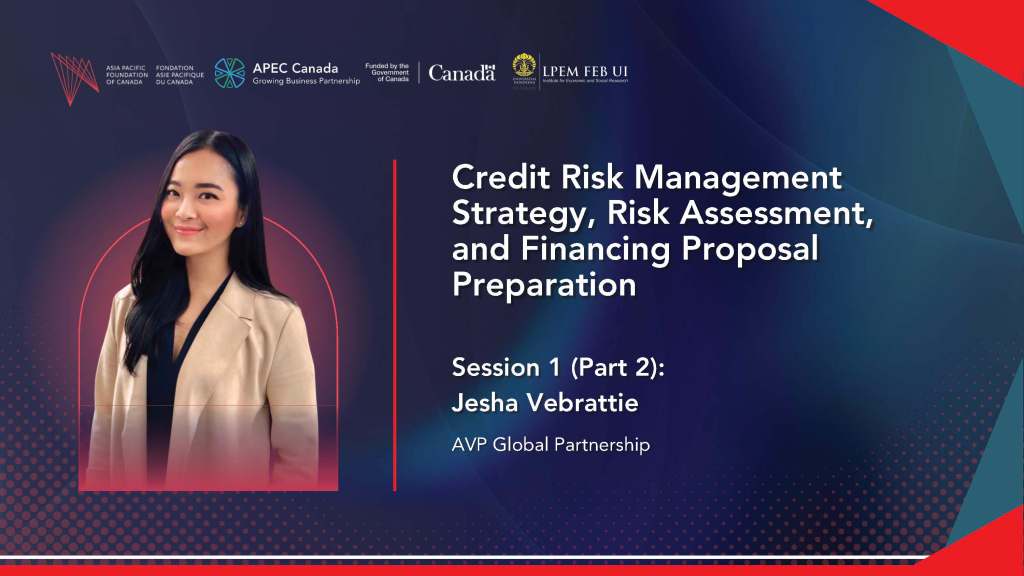
Jesha Vebrattie 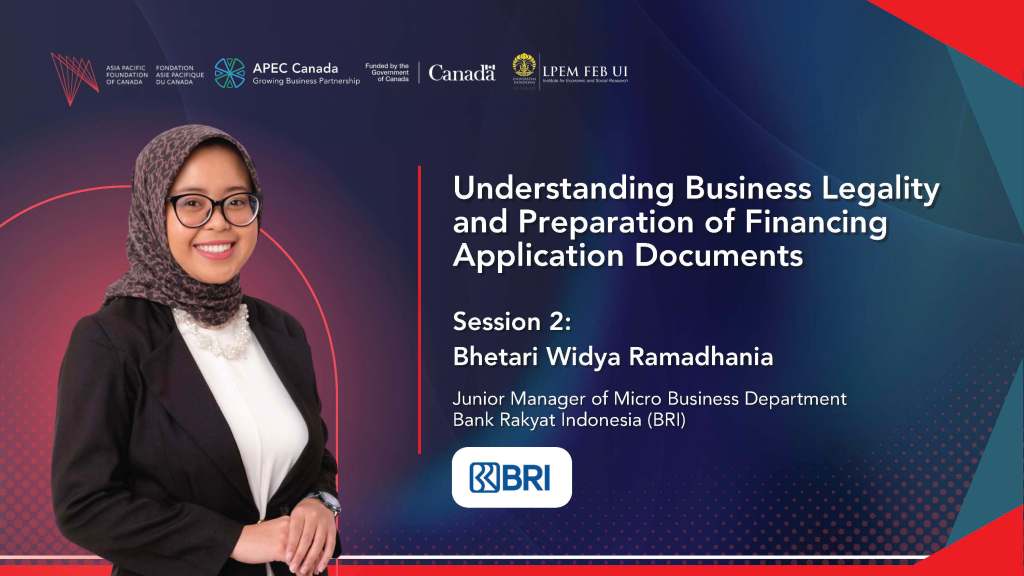
Bhetari Widya Ramadhania 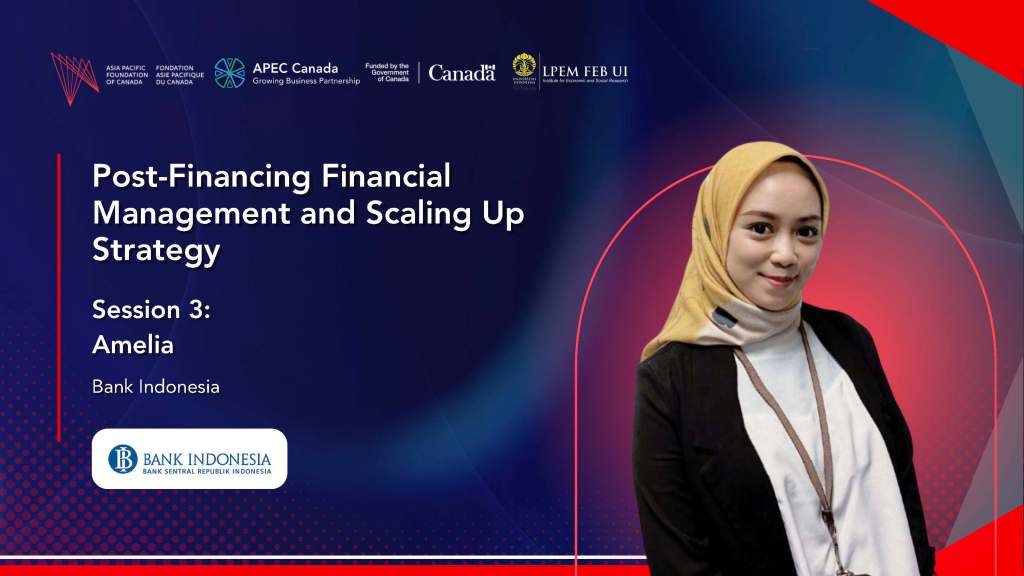
Amelia
Women entrepreneurs’ strategies for MSME longevity
When addressing MSME growth and development, it is important to also consider business sustainability and longevity. Even if MSME entrepreneurs receive support and assistance at the beginning of their business journey, they often lack long-term support systems.
The third and final workshop in the series was held on October 29 and covered strategies for sustainable MSME growth. Notably, this workshop featured first-hand accounts of women entrepreneurs’ experiences, including women who have received mentorship support from ASPPUK. Speakers discussed challenges unique to women entrepreneurs, such as family duties and the burden of care, and highlighted the need to create a supportive and gender-inclusive ecosystem that challenges social norms and constraints.
Takeaways
Although women MSME entrepreneurs in Indonesia face many difficulties, their challenges are largely solvable. Through a multi-pronged approach involving collaboration between private and public sectors, Indonesia can create a suitable environment for MSMEs to thrive. Co-operation between policymakers, implementers, MSME support organizations, financial institutions, and academic institutions is crucial for addressing MSME challenges and promoting inclusive development.
By creating the right conditions for MSMEs to fully integrate into supply chains, access various financing options, and sustain their operations over time, Indonesian policy actors can work together to achieve inclusive and sustainable MSME development.